.svg)
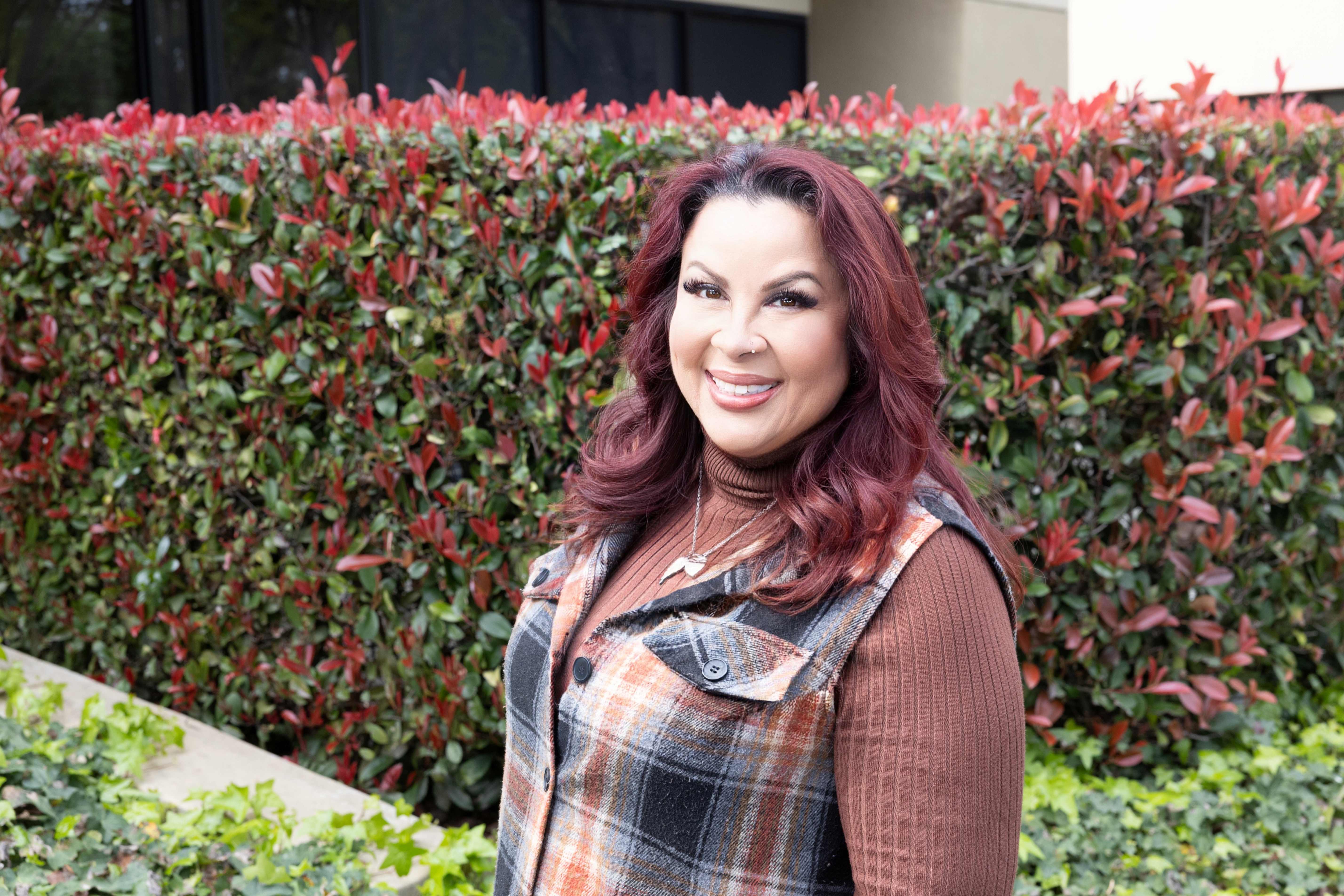


April grew up the youngest in her family, raised by a single father struggling with alcoholism. By her early twenties, she had become an active drug user, and addiction quickly consumed her life.
Child Protective Services removed her children twice in two years. By 2010, after years of strained relationships and harm to her loved ones, April became homeless. She had been staying with her father, but when her son returned from substance‑use treatment, her dad kicked her out, afraid she’d be a bad influence. April ended up on the street, living in tents, using and selling drugs to survive.
Worried about his mother, unhoused and alone, her son eventually left his grandfather’s home to join her. Together, they ran the streets and did whatever they could to get by.
After six years on the streets, April’s situation worsened. In 2016, she took 13 charges for her then‑boyfriend. Eight of the 13 charges were felonies, ranging from sales charges to possession to grand theft. With a warrant out for her arrest, she was eventually pulled over and jailed.
April had caused serious damage to her family over the years. But her only goal while in custody was to get out and return to the life she knew. She attended a STEP class while in custody, not for help, but for hope it might shorten her sentence. It didn’t, as she had been sentenced to a “No Early Release Program” for a full year for one case, and her second sentence was for an additional 90 days where she could go into an early release program. April attended the Re-Entry Correction Program (RCP) while in custody and was released to RCP Phase II (RCP offers support to reduce recidivism).
August 17, 2017, when April was released, STEP was waiting at the jail doors. With nowhere to go, she entered transitional housing arranged by STEP. She owned nothing but jail‑issued clothing and a $20 check she couldn’t cash without an ID, so STEP helped with donated clothing. Still, she wasn’t planning to change.
A few months later, something shifted. Her ex-husband left their three children homeless, and as April slowly regained visitation, she began rebuilding trust that had long been broken. One cold, rainy day, while watching a woman who was unhoused riding her bike in the storm, she made a decision:
“I didn’t want to be cold anymore. I didn’t want to be angry anymore.
And I didn’t want to be homeless anymore.”
From that moment, April changed everything. She changed her friends, her habits, her words, and her thoughts. While she had tried since 2009 to get clean, this time it worked. STEP walked beside her the whole way.
April secured employment at Goodwill, completed the STEP classes, picked up additional work, and paid off her restitution in just 2.5 years. She enrolled in San José City College’s Alcohol and Drug Studies program and worked to expunge her record.
Last May, April graduated from the program and was on the honor roll. In July, she passed the exam to become a Certified Alcohol and Drug Counselor (CACD).
Today, eight and a half years clean and sober, April has rebuilt trusting relationships with her father, four of her five children, and three grandchildren. She is also a homeowner and works tirelessly as a counselor for the same STEP program that helped her rebuild her life. She calls it her full‑circle moment:
“I owe STEP my life. Had I not gotten the help I needed, I’d still be in the tents, on the streets. Everything in my life has changed. From my own experience, the STEP program has come a long way, supporting clients with all the essential support needed, while in custody and when someone is released from custody and back to the community. This program cracks open that door for someone to find success, giving them clean clothes, hygiene, a bus pass, a phone, an ID voucher, and a safe place to go when released. The STEP program is the only program that goes into custody and offers substance use treatment upon release. We help support participants by checking in with probation or parole, we take them to the Reentry Center, and help them with resources in the community. Sometimes it just takes someone to be there to walk with them when they first get released. We are also able to take them shopping to buy them a few days’ worth of clothes.”
April is a powerful example of what recovery looks like when someone has support, dignity, and a program like STEP that never gives up on its clients.
Reflecting on her work on the STEP team, April shares,
“STEP is and was a very big part of my life, and I love the program I work for. I love what I do, I look forward to coming to work, and I have found a passion in the program itself. I know what this program did for me and can do for others. The STEP program saves lives!
I freely give to others what was given to me. I hope my story will impact those in the company and county and bring awareness that this program is vital in helping those who are incarcerated have a supportive and successful transition from custody to the community. Due to funding cuts and changes within the county, our funding may change what this program does and what we can do to help incarcerated individuals. I hope to raise awareness that cutting our funding would be detrimental.”
Caminar’s Supportive Transitional Empowerment Program - STEP
Our counselors focus on bringing services and support to individuals experiencing substance use issues in justice-involved settings in Santa Clara County. They collaborate with each client’s families and social systems to prepare the client for reentry into the community. The program provides every client picked up from jail with a phone, new undergarments and sweats, a backpack, a hygiene kit, and the tools and wraparound support needed to start again. Substance use treatment is available upon release. This seamless coordination of care empowers clients, builds resiliency, and promotes well-being.


